What is a Residential Care Home?
There will come a time in many older adults' lives when they begin to struggle with everyday tasks or experience increased loneliness while living independently. This may be something that they notice themselves, or something loved ones pick up on during visits. At this stage, it may be beneficial for them to consider a residential care setting. Understanding what a residential care home is and what life there looks like can make decisions feel more manageable and less daunting.
In this guide, we explain what a residential care home in Oxfordshire offers, who it is for and how it can support both residents and their families.
What is Residential Care?
A residential care home is a place where older adults live and receive 24-hour personal care and support in a homely environment. Residential care homes provide accommodation, meals and support with daily living for those who can no longer manage safely or comfortably in their own home.
Residential care is different to home care or receiving support in the hospital. A residential home is somewhere individuals will move into full-time and treat as if it is their own home, without the worry of having to complete daily chores or maintenance. Residents will have their own bedroom that they can customise with familiar belongings and unlimited access to shared communal spaces. Individuals are supported according to their individual needs, so they can live as independently as possible while having the reassurance of trained staff on hand day and night.
Who Is Residential Care For?
Residential care is designed for people who need extra support with daily tasks but do not require constant clinical input from qualified nurses. This may include older adults who struggle with mobility, those with mild dementia, people living with a physical disability, or individuals with low-level health conditions.
A residential care home may also be suitable for individuals who require short-term respite following an illness, hospital stay or while their carer takes a well-deserved break. They will receive the same level of support as full-time residents, just on a temporary basis.

What is the Difference Between Residential and Nursing Care?
Residential care and nursing care are often confused with one another, but it is important to understand that they are not the same. In a residential care home, staff are trained carers who provide personal care and support with daily tasks such as washing, dressing, eating, mobility and prompting medication. There are not usually qualified nurses on site at all times.
Nursing care is provided in nursing homes or care homes that are registered to provide nursing care. In these settings, qualified nurses work alongside care staff to deliver ongoing medical monitoring and treatment for residents with more complex health conditions, such as advanced dementia or serious long term conditions.
Some homes are registered to provide both residential and nursing care. This would be known as a continuum of care, as it allows residents to remain in the same familiar surroundings even if their needs become more complex over time.
What Does Daily Life Look Like In A Residential Care Home?
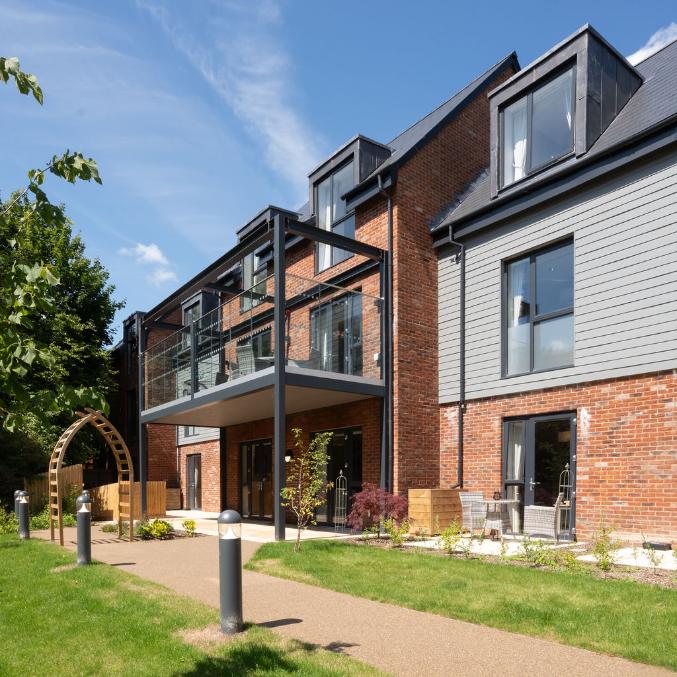
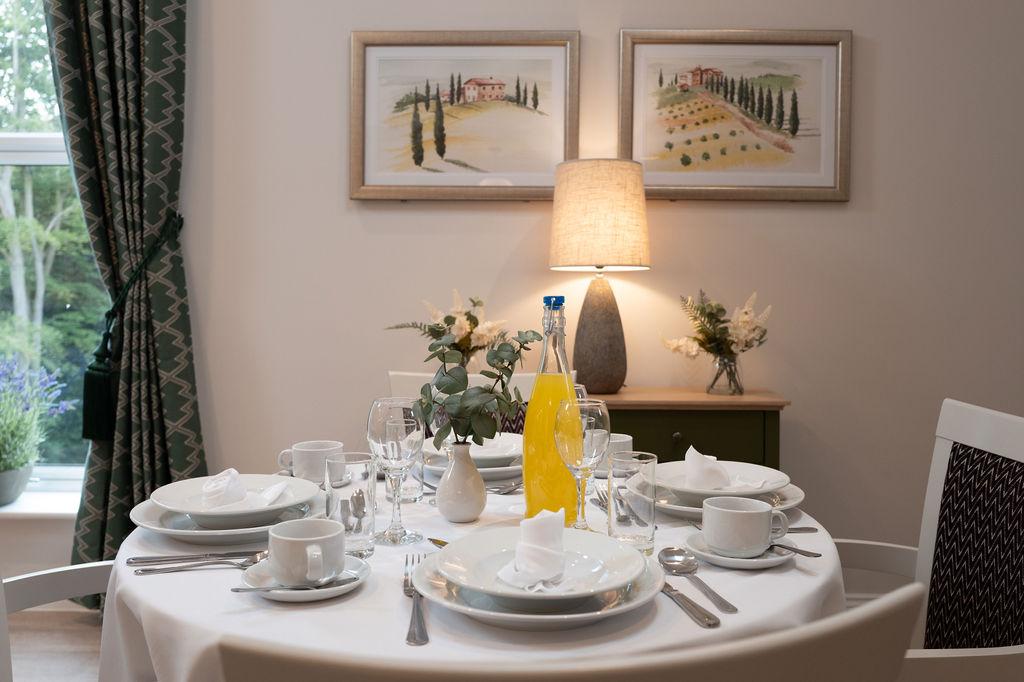
Residential care homes provide both accommodation and care in one place. Residents will have their own bedroom, often with en suite facilities, where they can bring personal items and furnishings to make the space feel familiar and comfortable. Alongside private rooms, homes will have communal spaces such as lounges, dining rooms, and sometimes activity areas or a cafe where residents can spend time together.
Daily living support is at the heart of residential care. Staff help with personal care, including washing, dressing, continence care and grooming, with the focus always being on maintaining each resident’s dignity and preferences. Household chores, cooking, laundry and cleaning are also taken care of by the team, which can be a significant relief when these tasks have become tiring or unsafe at home.
Meals are usually freshly prepared on site and enjoyed in communal dining rooms, although residents can often choose to eat in their own bedroom or in other areas of the home if they prefer. Menus are designed to be balanced and varied, and special diets can be catered for where needed.
Social Life and Well-being
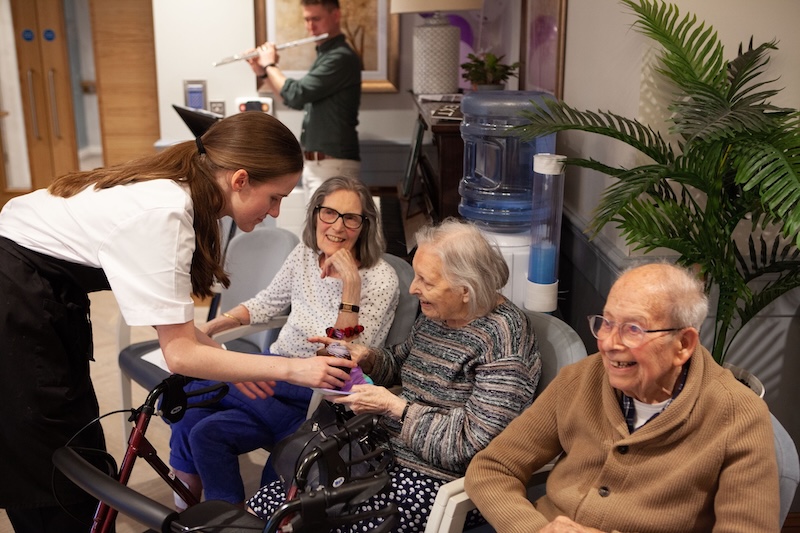
A key benefit of residential care is the opportunity for regular company and meaningful activities. Many residential care homes organise social activities and events, such as arts and crafts, music sessions, gentle exercise, visiting entertainers, or day trips to keep residents engaged and doing what they love. These activities are adapted to different interests and abilities, with no pressure to take part if residents prefer quiet time.
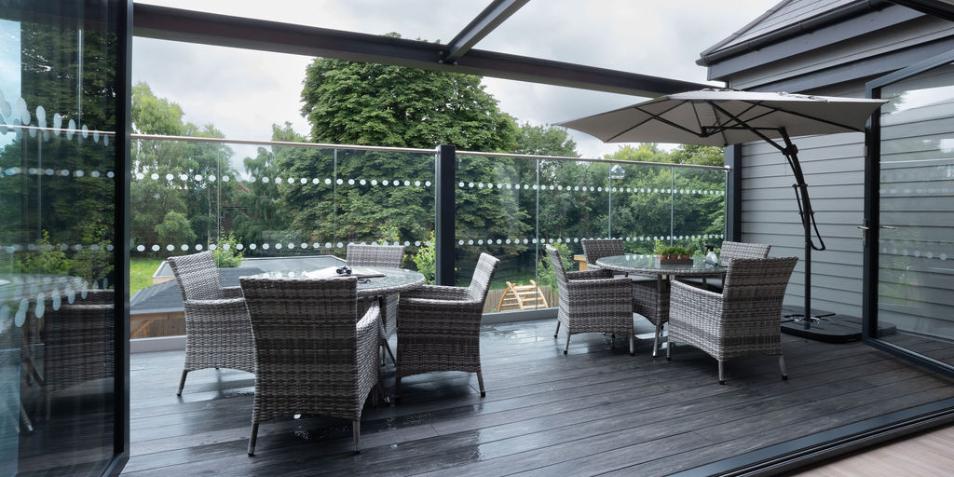
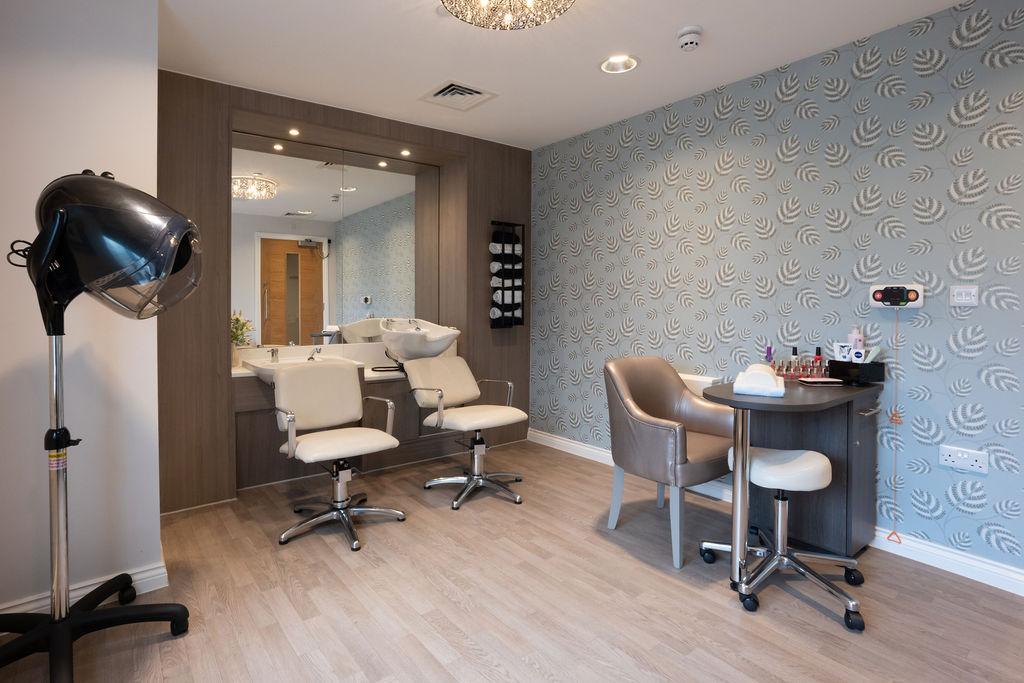
Communal spaces encourage conversation and connection, whether it is over a meal, a board game, or a shared television programme. Landscaped gardens or outdoor seating areas offer fresh air and a change of scenery, and many homes arrange regular outings for those who enjoy getting out into the local community. Some homes also provide facilities such as hair salons or nail care services on-site to help residents maintain their usual routines and sense of self.
This blend of support and social interaction can be particularly valuable for people who have felt isolated living alone. The aim is not only to meet physical needs but also to enhance residents' lives.
Personalised Care Plans
Each resident in a care home in Oxfordshire will receive a personalised care plan that sets out their needs, preferences, routines, history and goals. This plan is developed in collaboration with the resident, their family and the care team. It may also include input from healthcare professionals if there are specific medical conditions to consider.
The care plan covers many specific areas, including personal care, mobility, medication support, nutrition, communication preferences and any specialist care needs, such as dementia care or support with mental health conditions. It is reviewed regularly so that changes in health, abilities, or preferences are reflected in the support provided.
This personalised approach allows residents to retain choice and control in their daily lives, while receiving the level of assistance that keeps them safe and comfortable.
How Residential Care Supports Families
Residential care homes can bring peace of mind to families who may have been worrying about a loved one living alone or struggling with daily tasks. Knowing that trained staff are present around the clock can ease anxiety about falls, missed medication, or emergencies.
Families and friends are encouraged to remain closely involved by visiting regularly, joining in with events and contributing to care planning discussions. This partnership approach allows relatives to focus more on their relationship with the resident, rather than carrying the full weight of practical care on their own. For many families, this shift brings a sense of balance and reassurance, while their loved one enjoys a safer and more supported daily life.



Residential Care At Floryn House Care Home in Oxfordshire
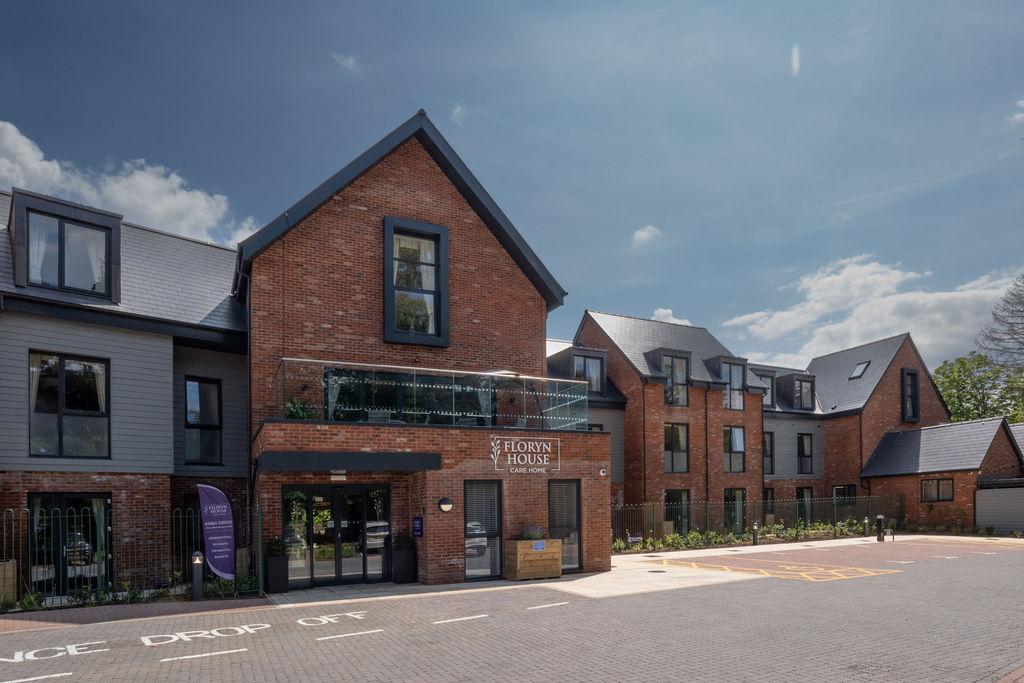
At Floryn House, our facilities and care services are designed to feel like home. We provide residential care, dementia care, nursing care and respite care within a warm, supportive residential setting where residents are holistically treated as individuals.
All of our residents at Floryn House have their own comfortable en-suite bedrooms and access to welcoming communal spaces and tranquil outdoor areas, alongside personal care and thoughtfully planned activities that support wellbeing and independence. Our trained staff provide support around the clock, and work closely with residents and their families to create personalised care plans that reflect each person’s routines and aspirations.
If you are beginning to consider residential care or any of our other care services, please get in touch and book a tour. We would love to meet you and show you first-hand the luxury yet homely atmosphere that our Oxfordshire care home provides.